Author: Ryan
-
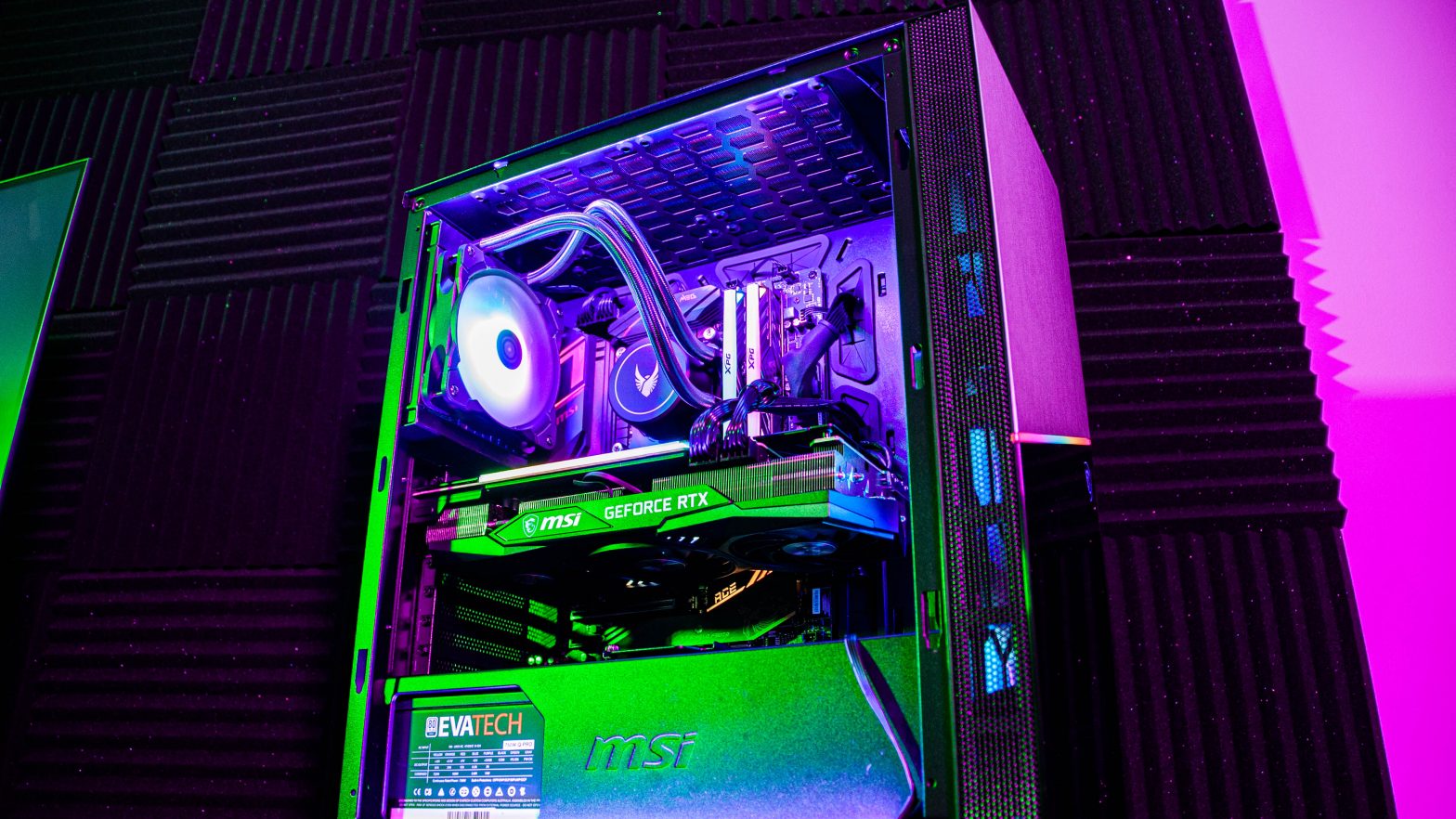
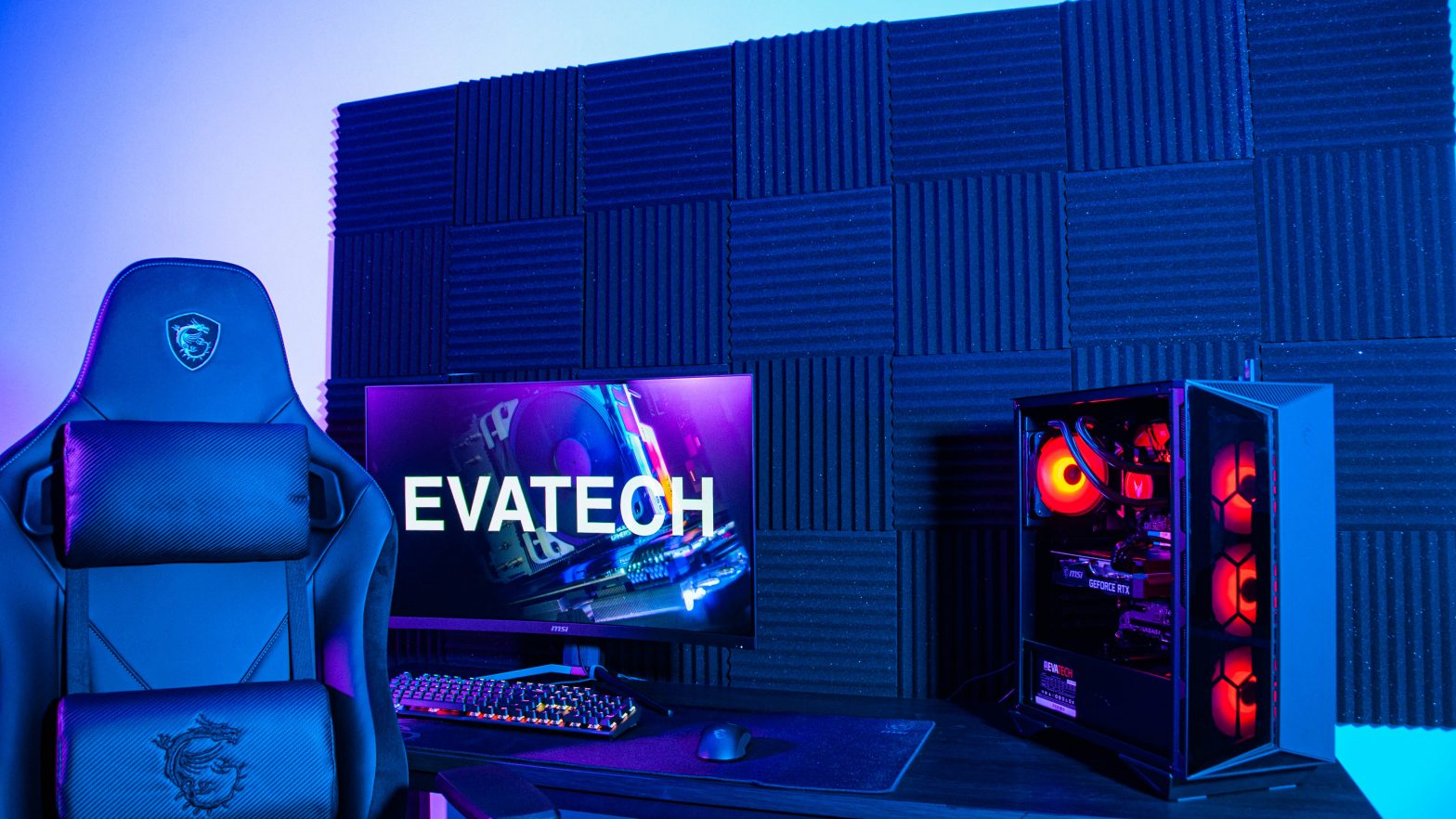
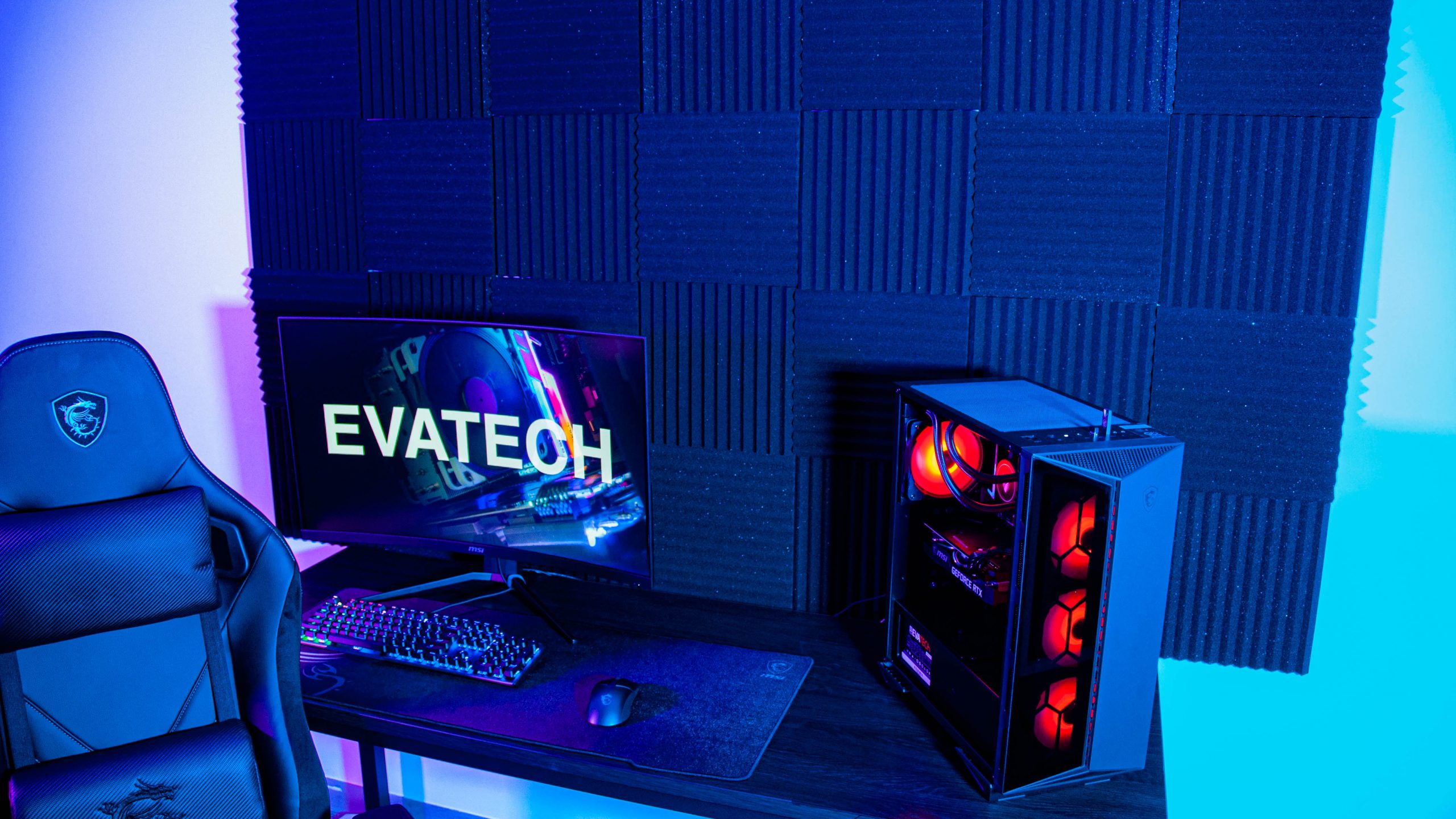
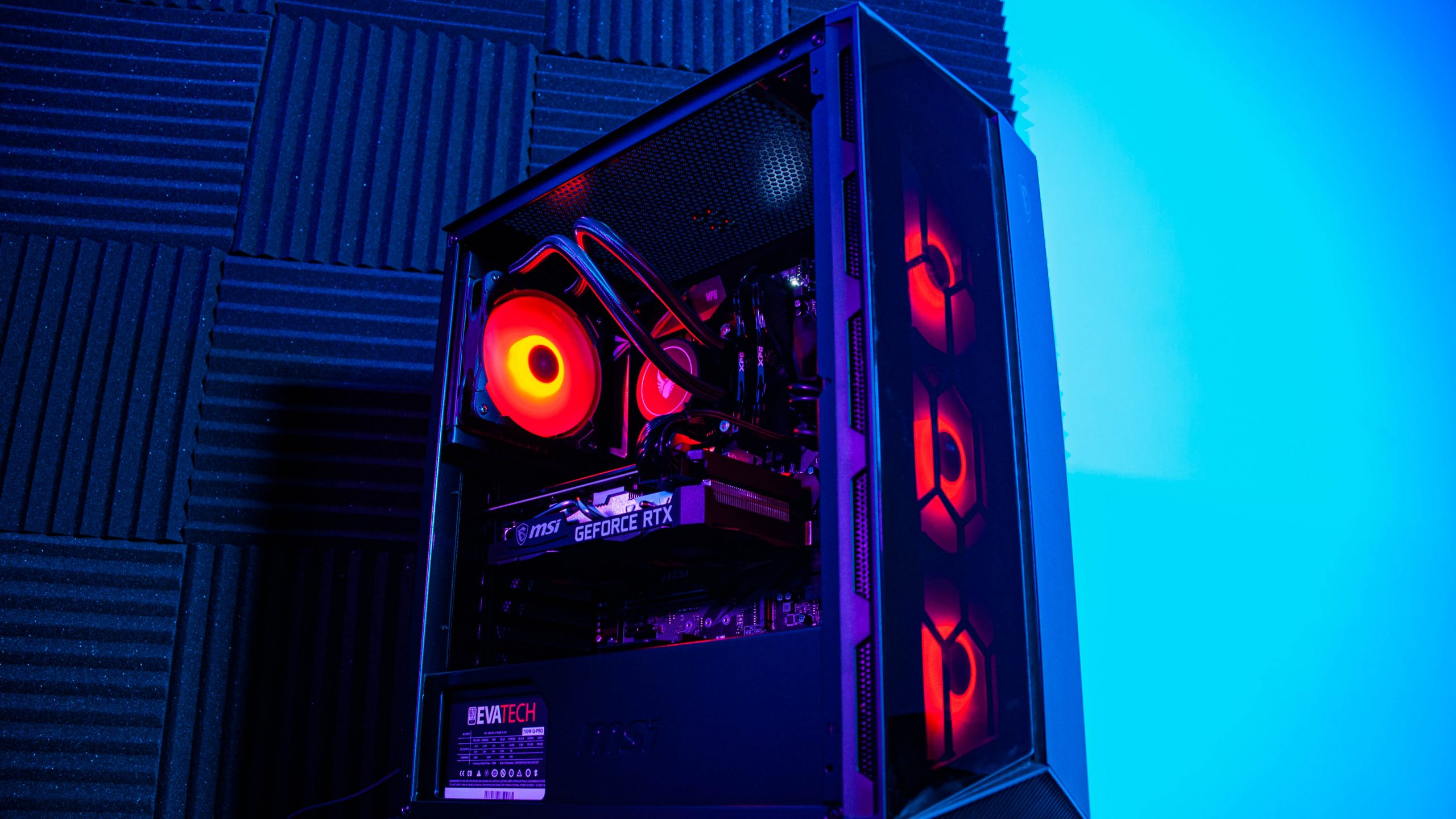
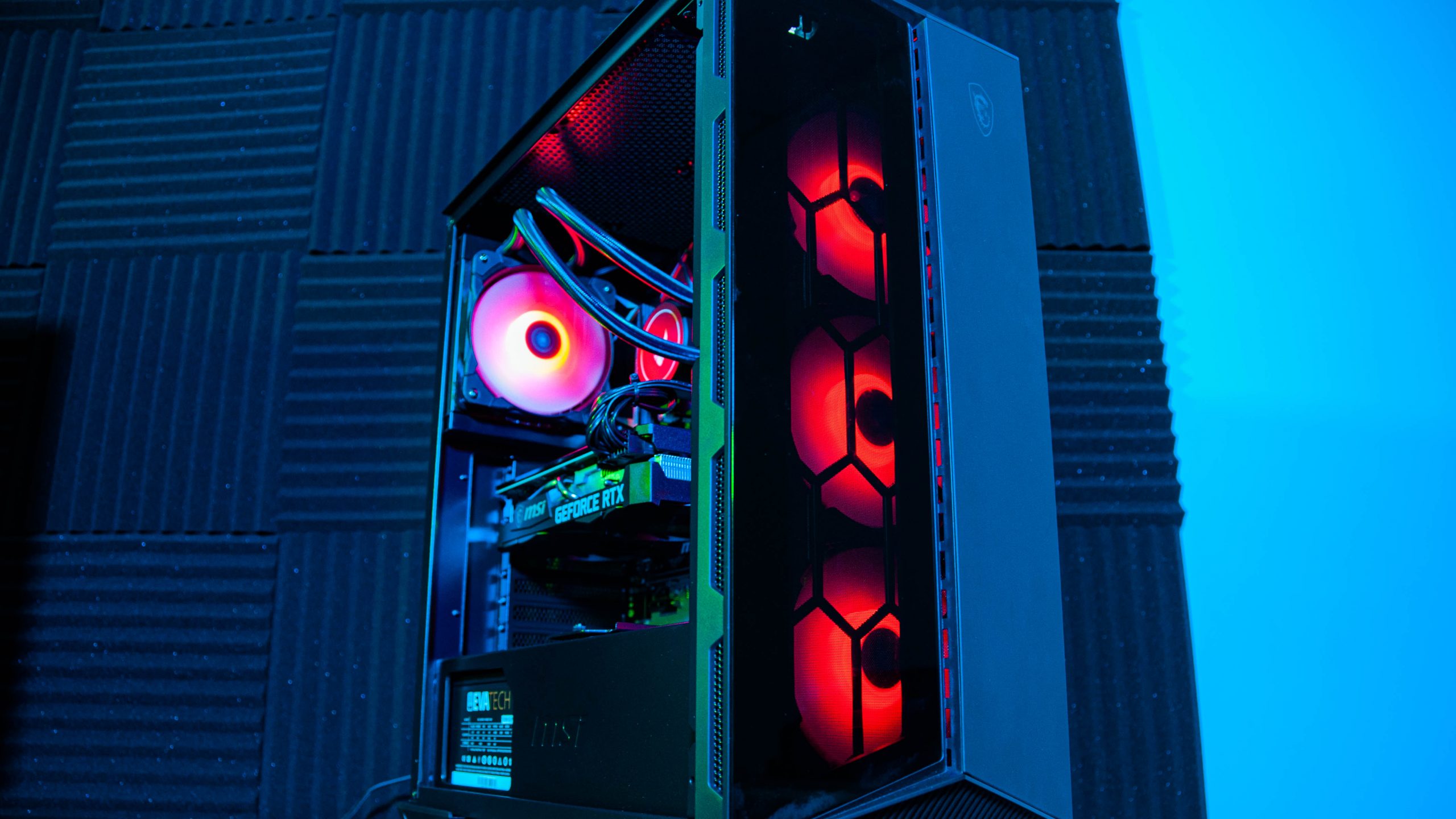
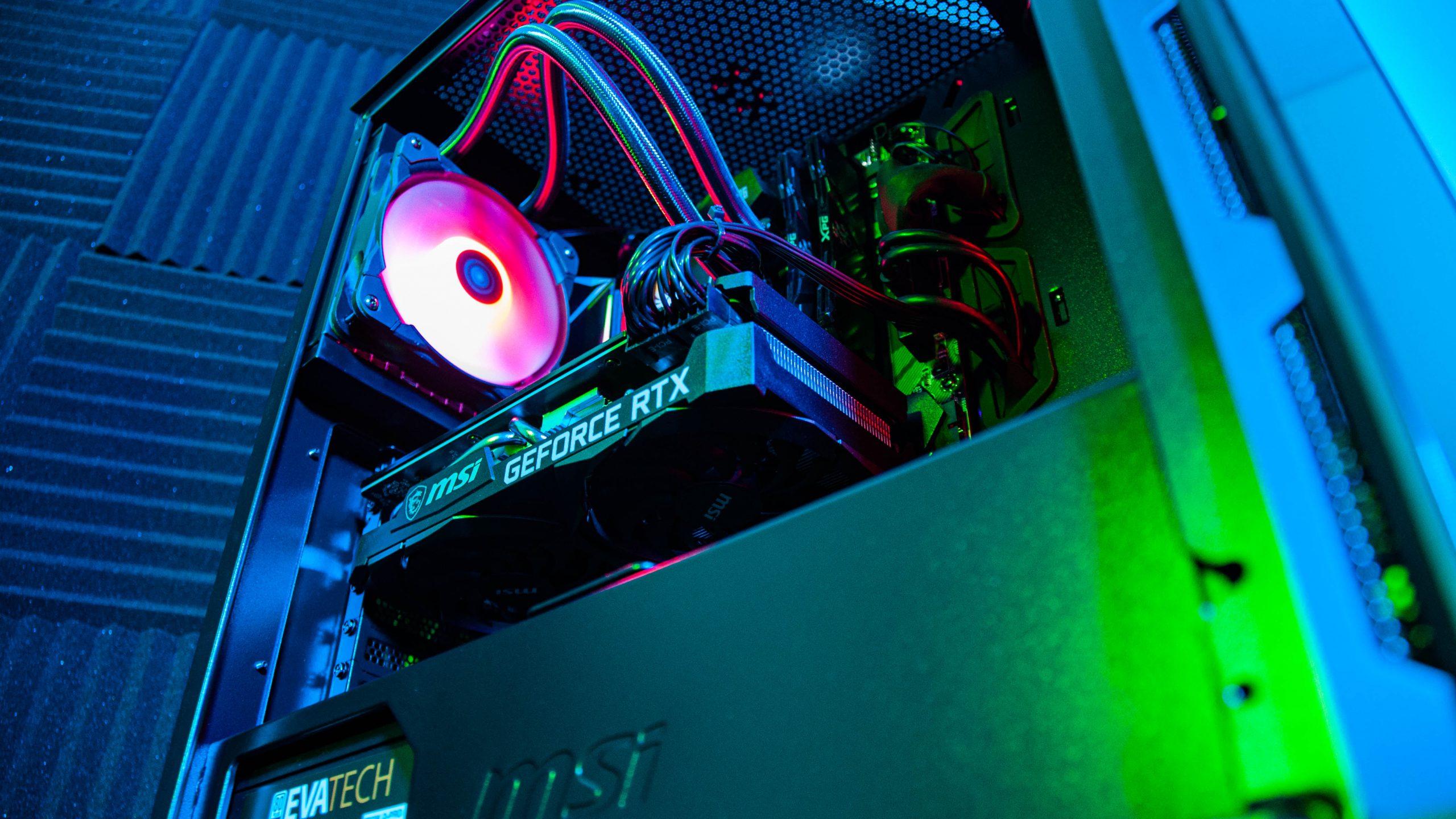
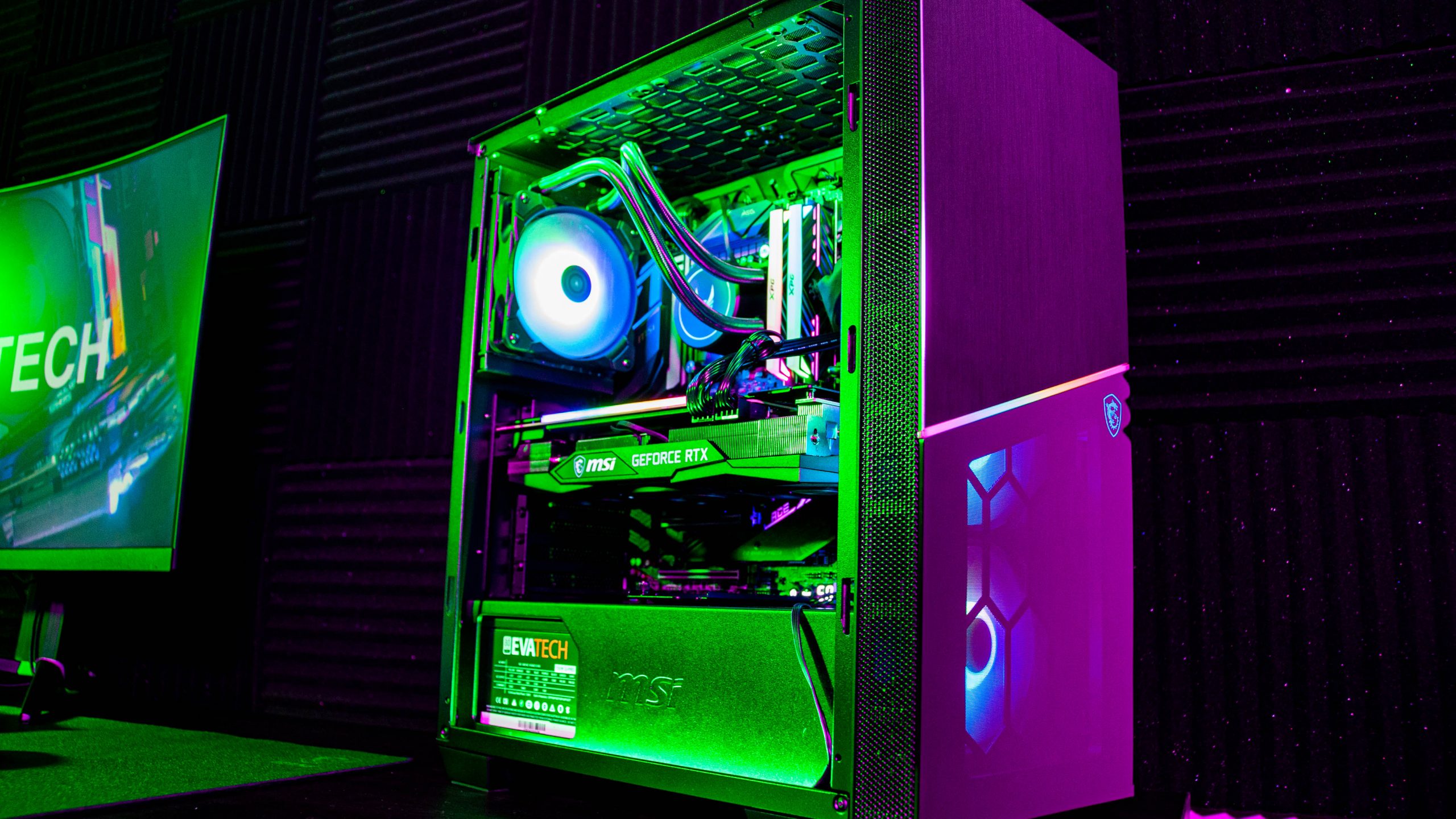
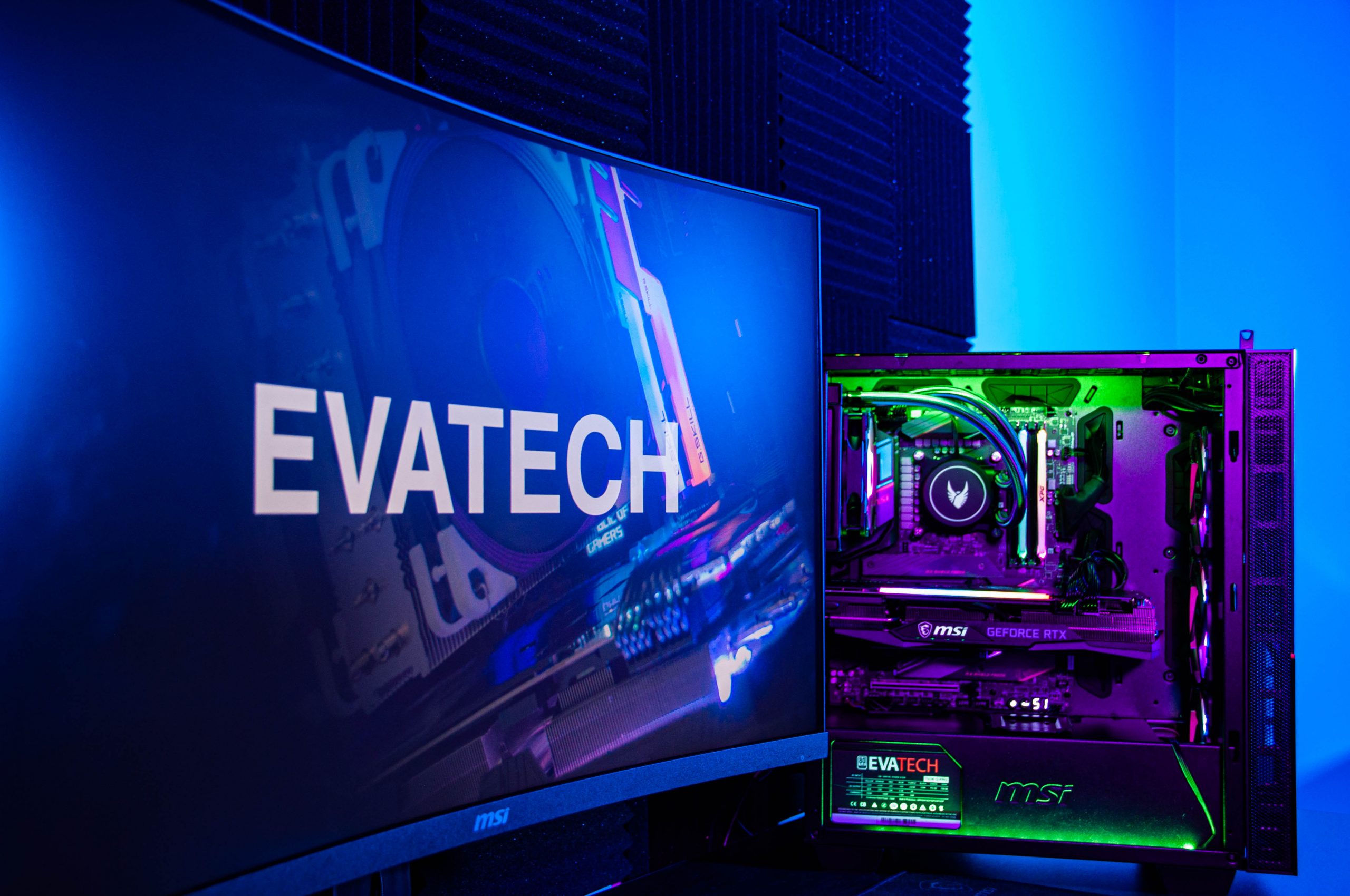
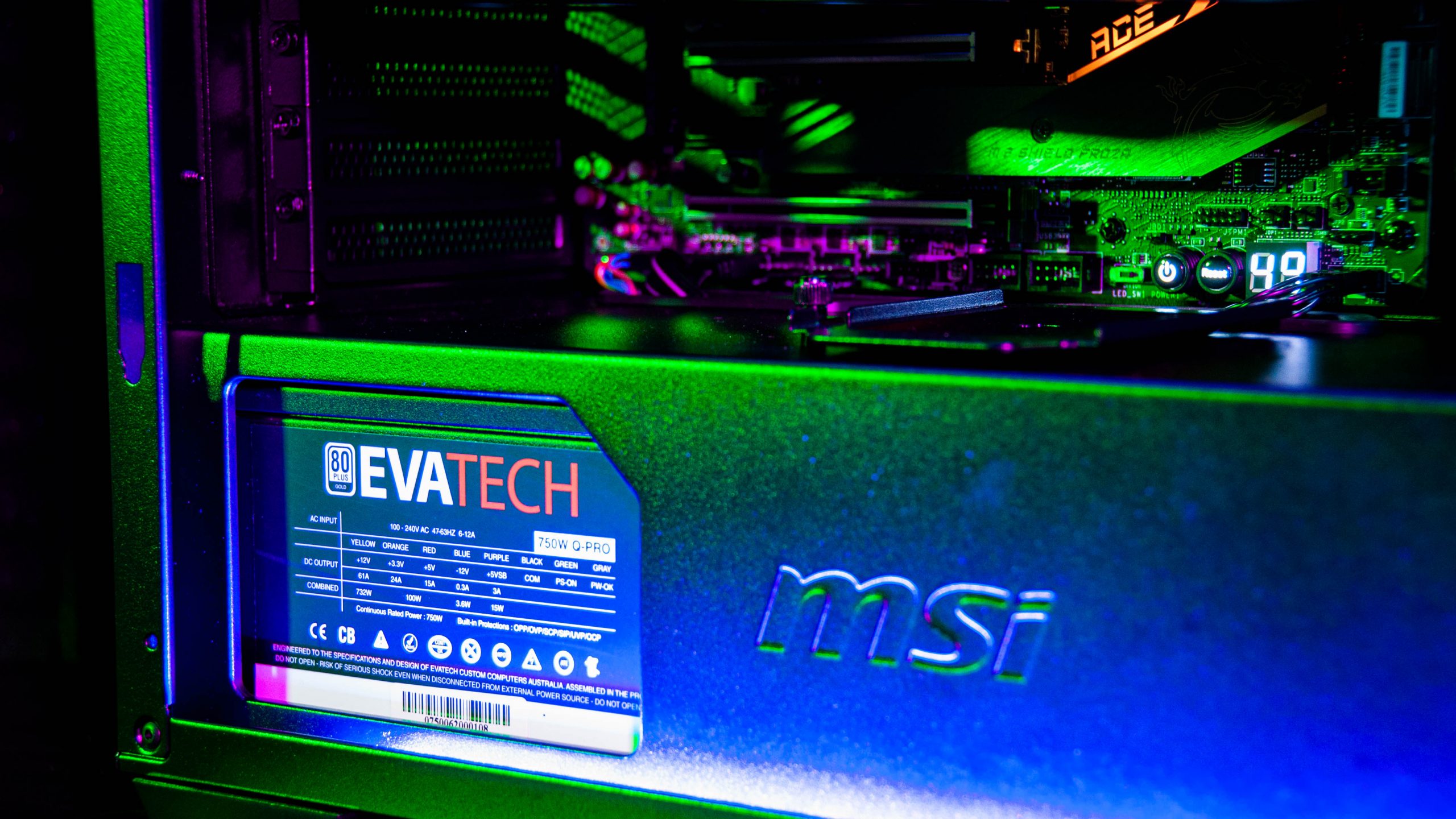
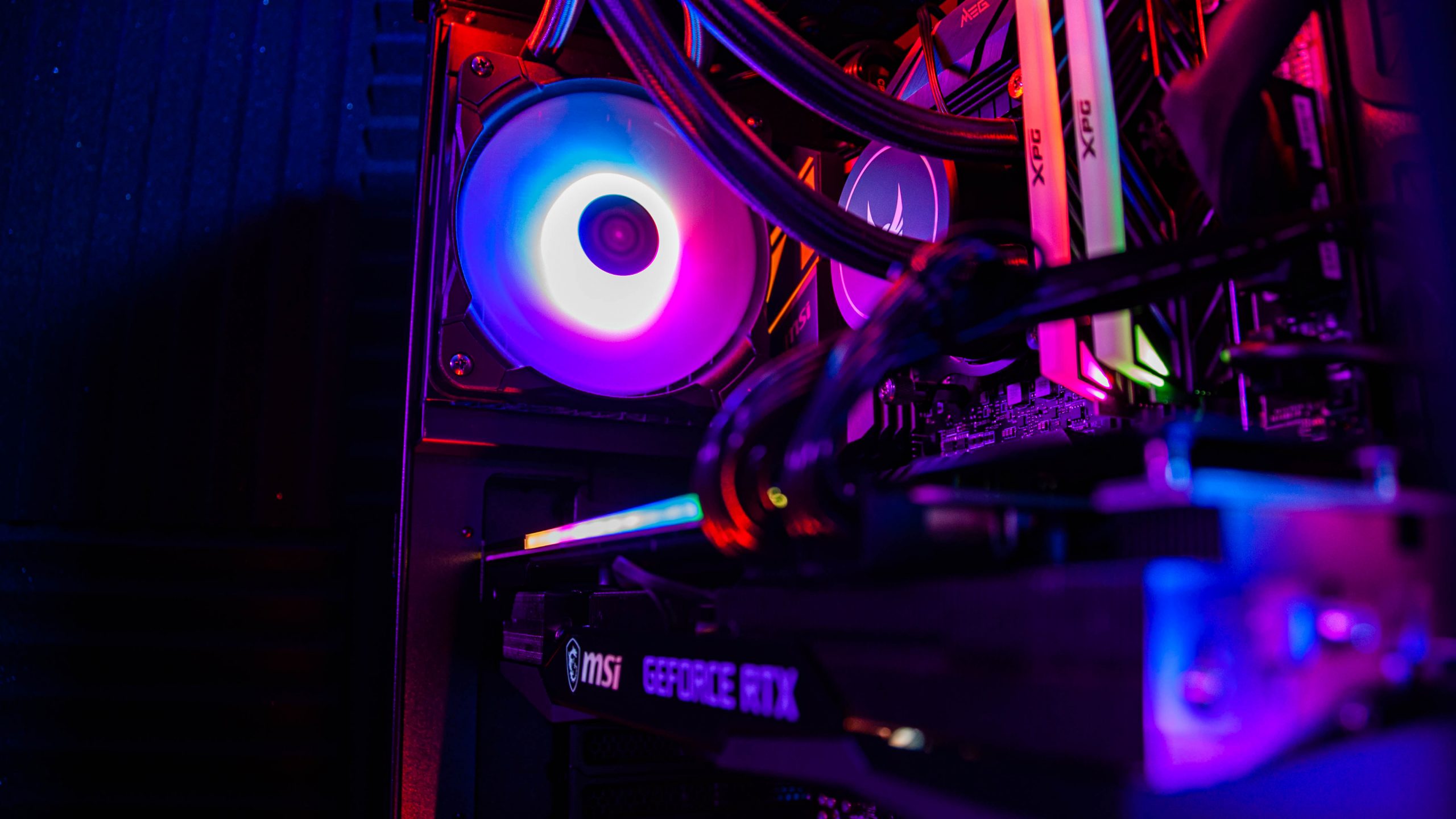
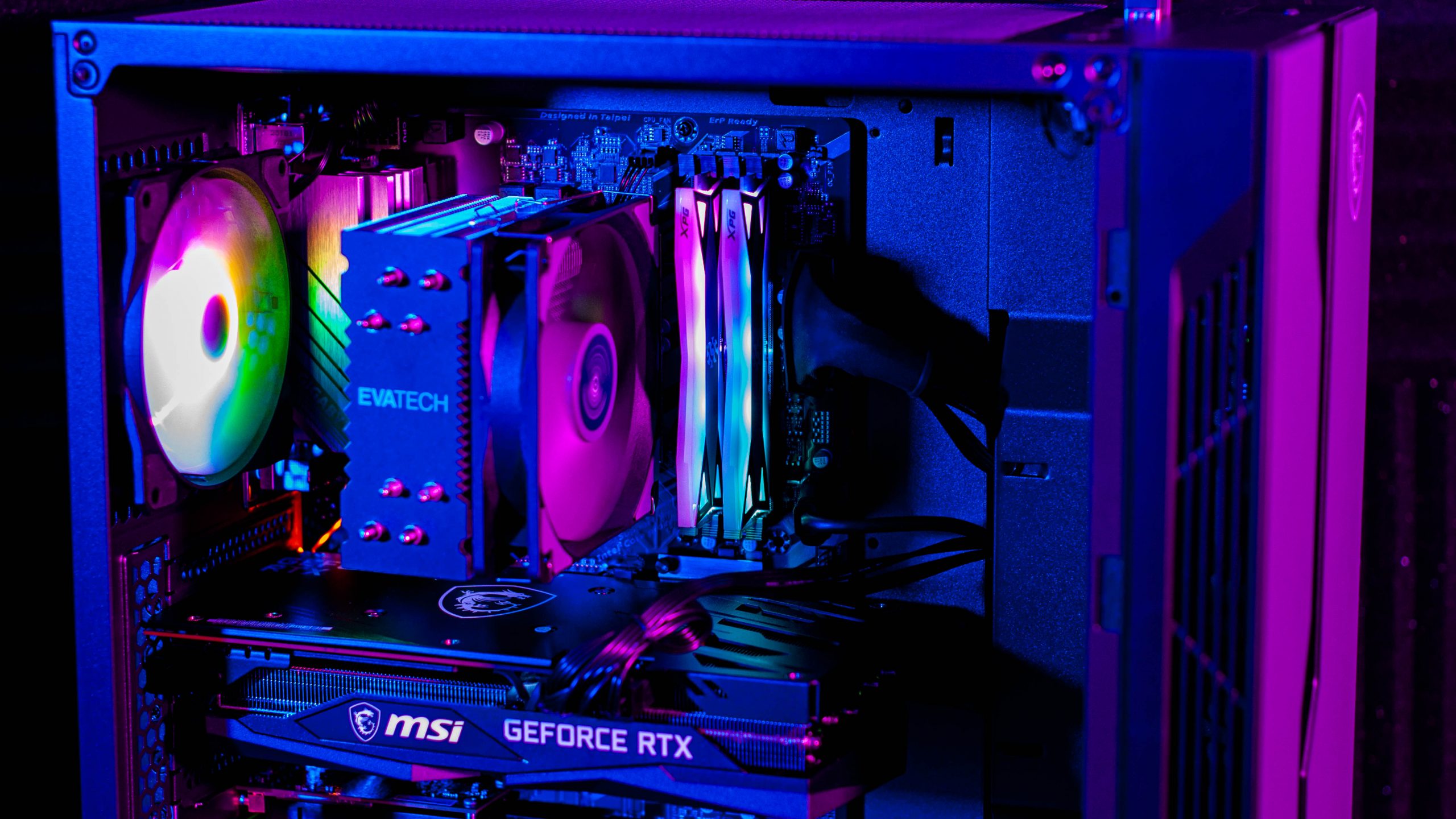
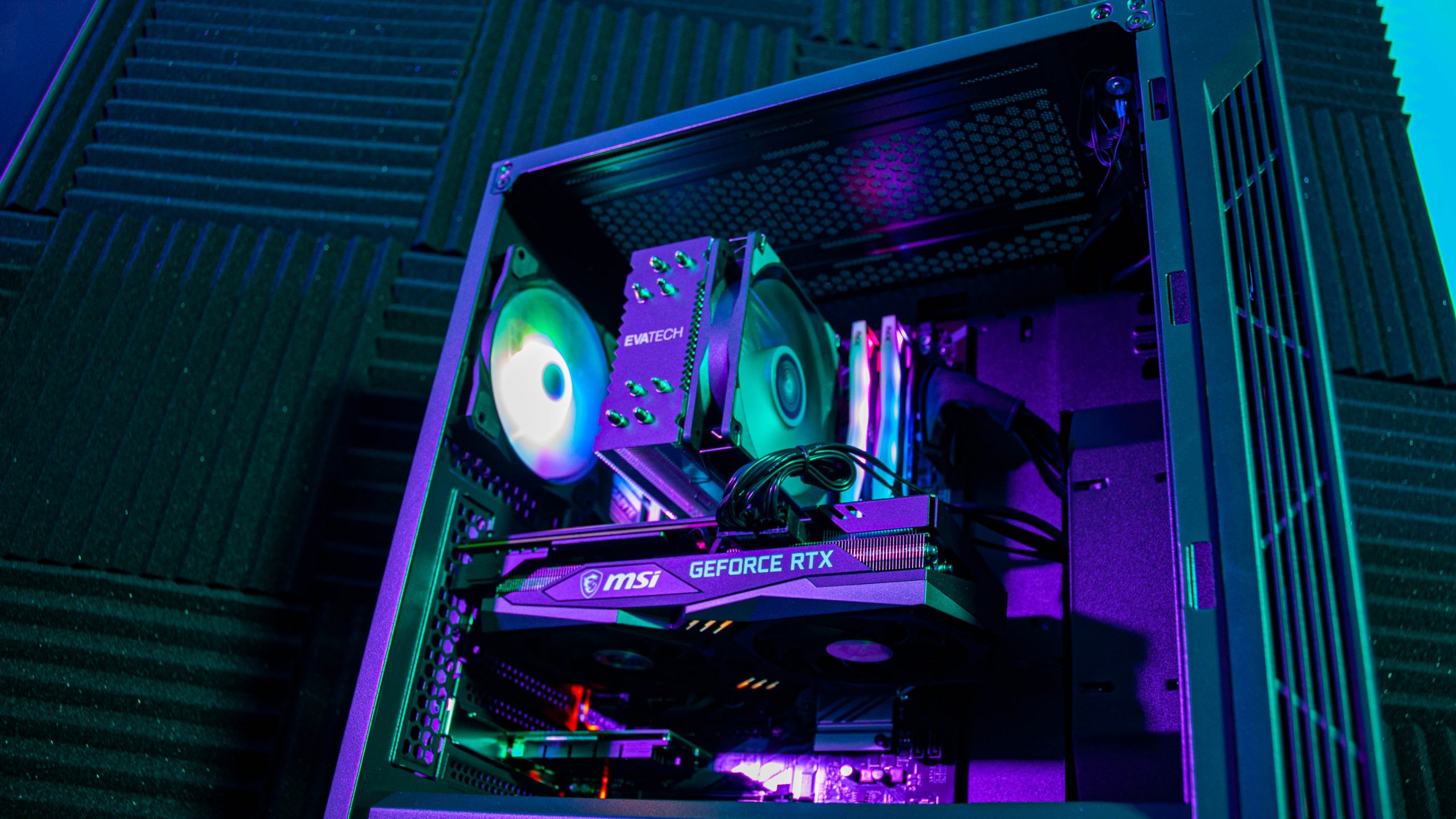
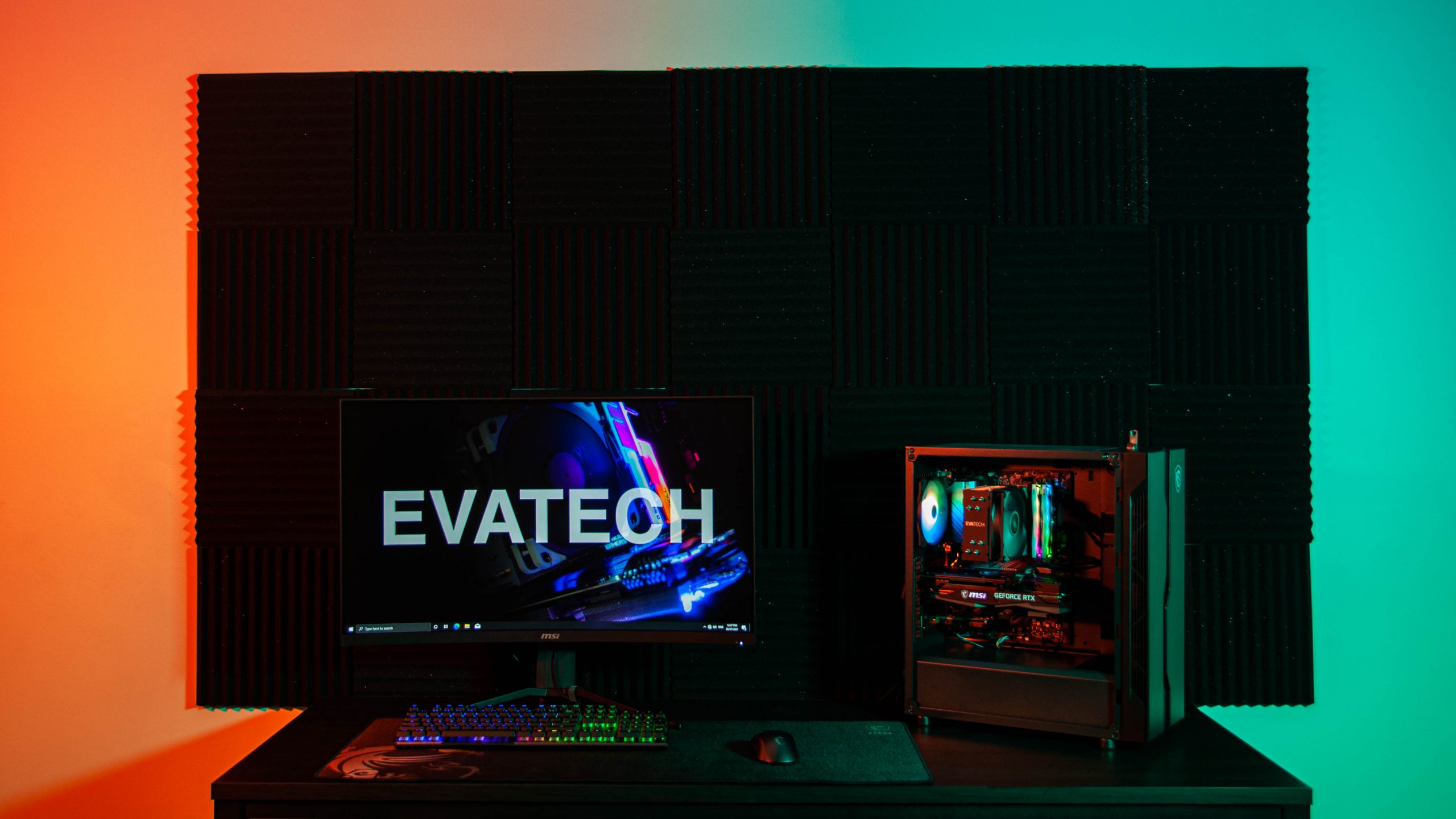
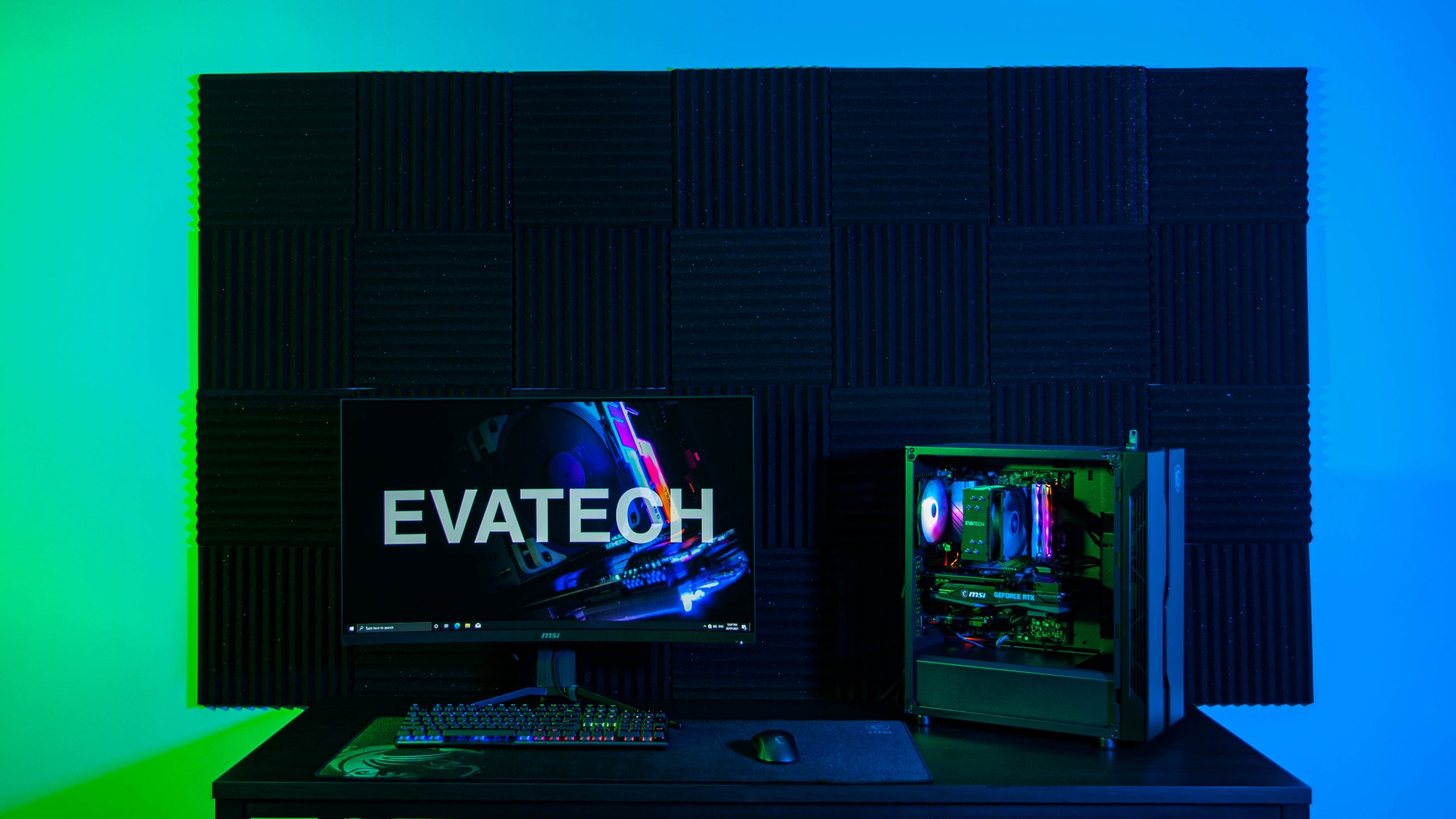
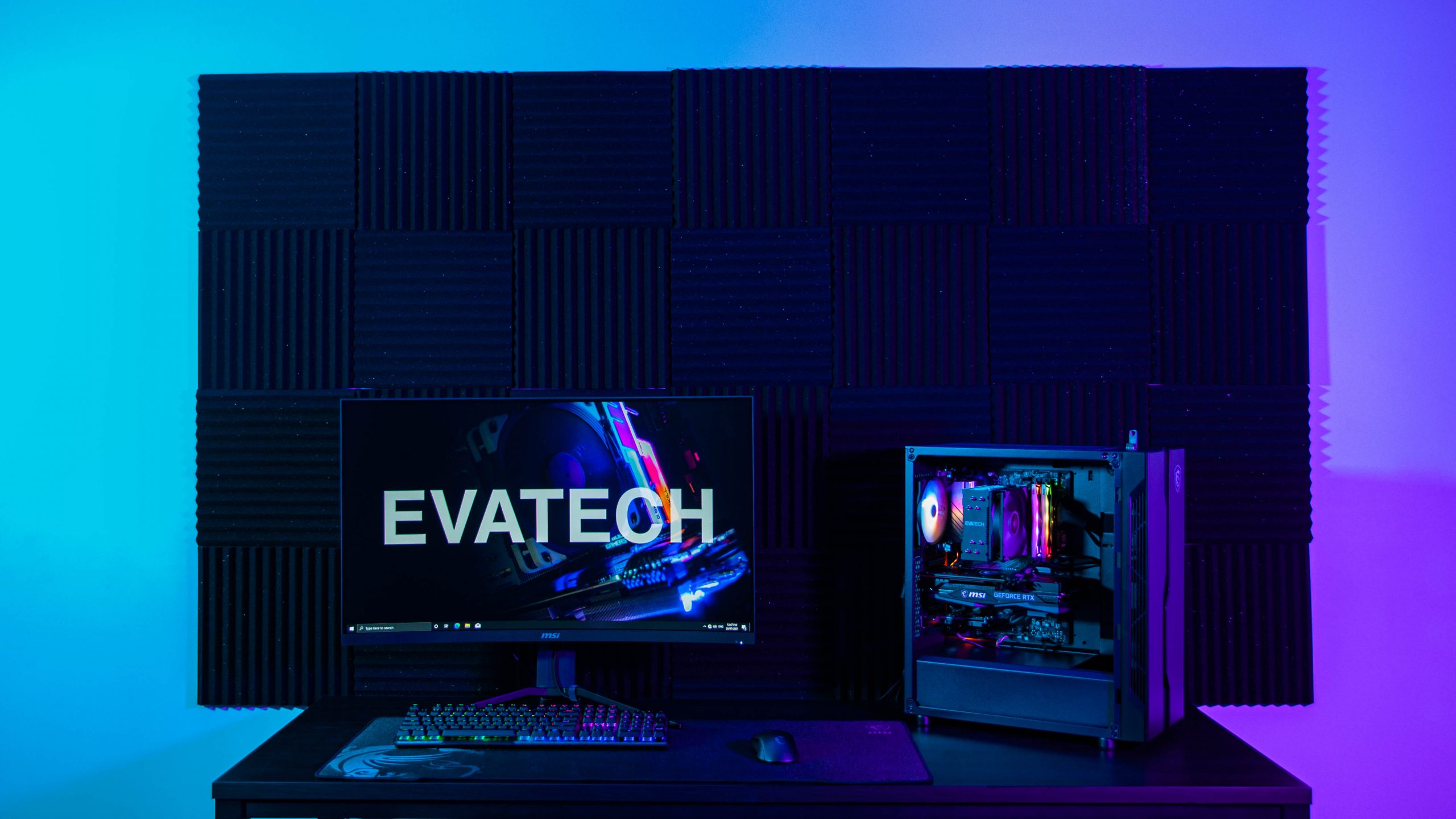
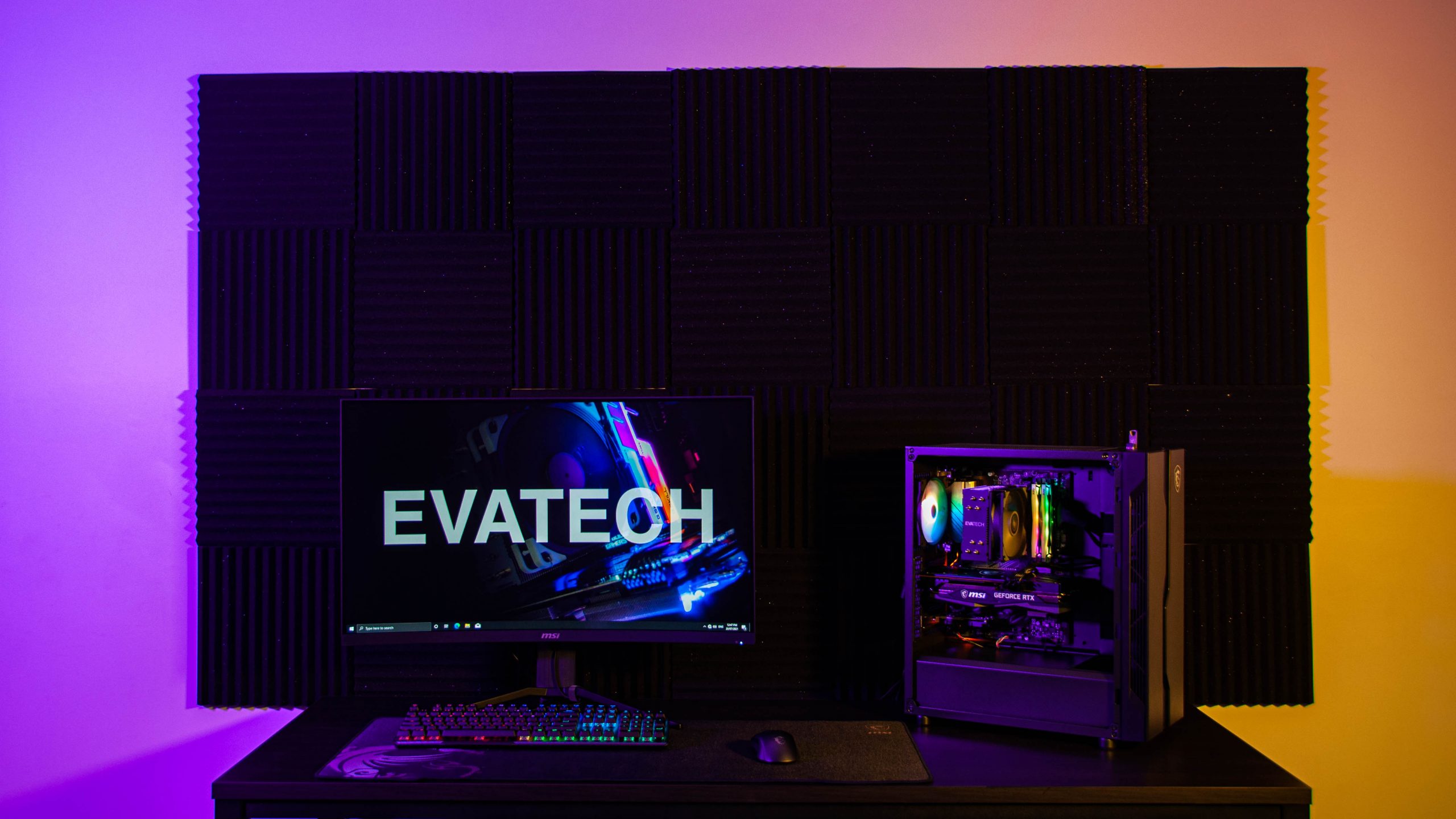
Valkyrie Gaming PC in MSI Sekira 100R
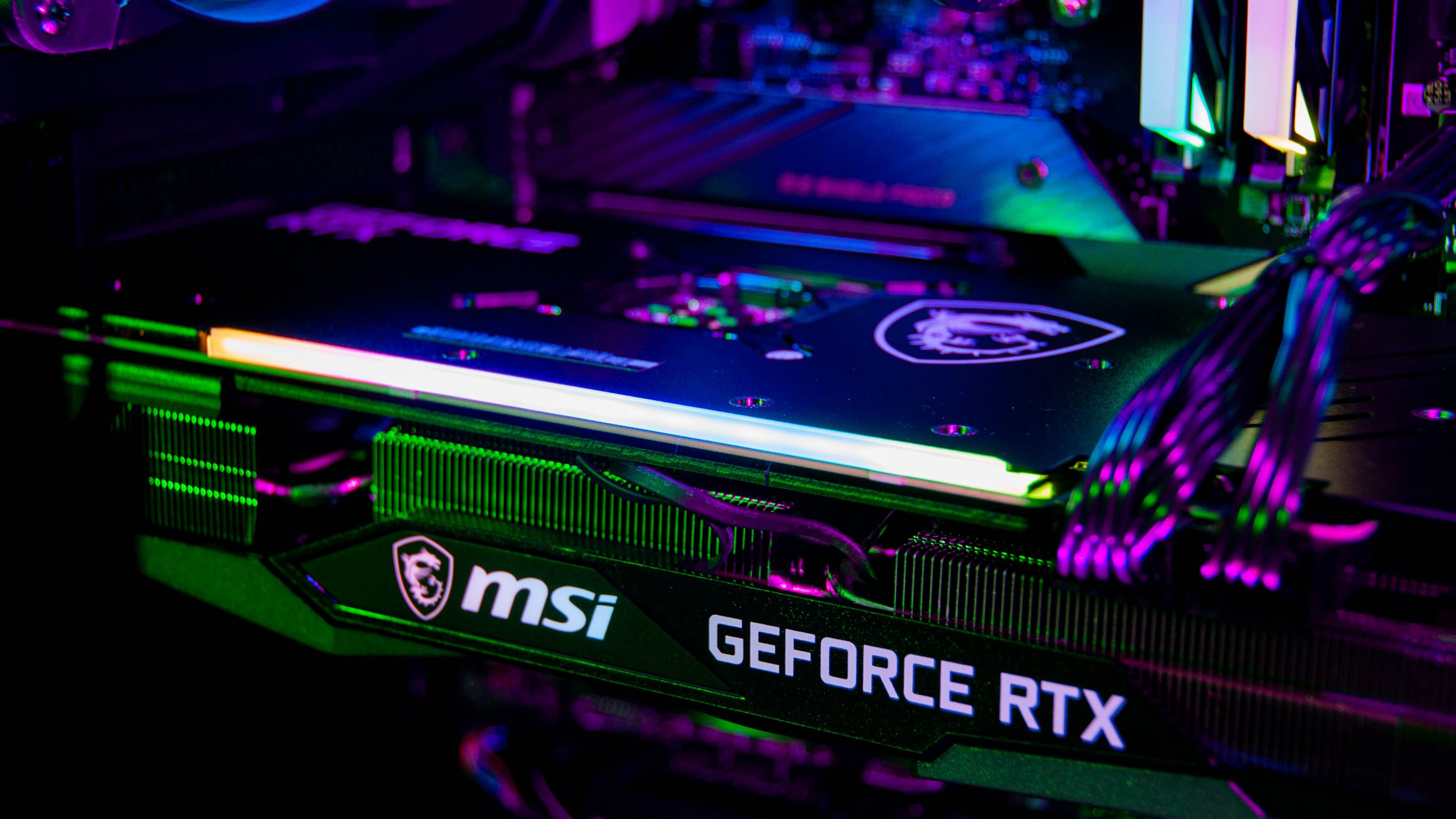
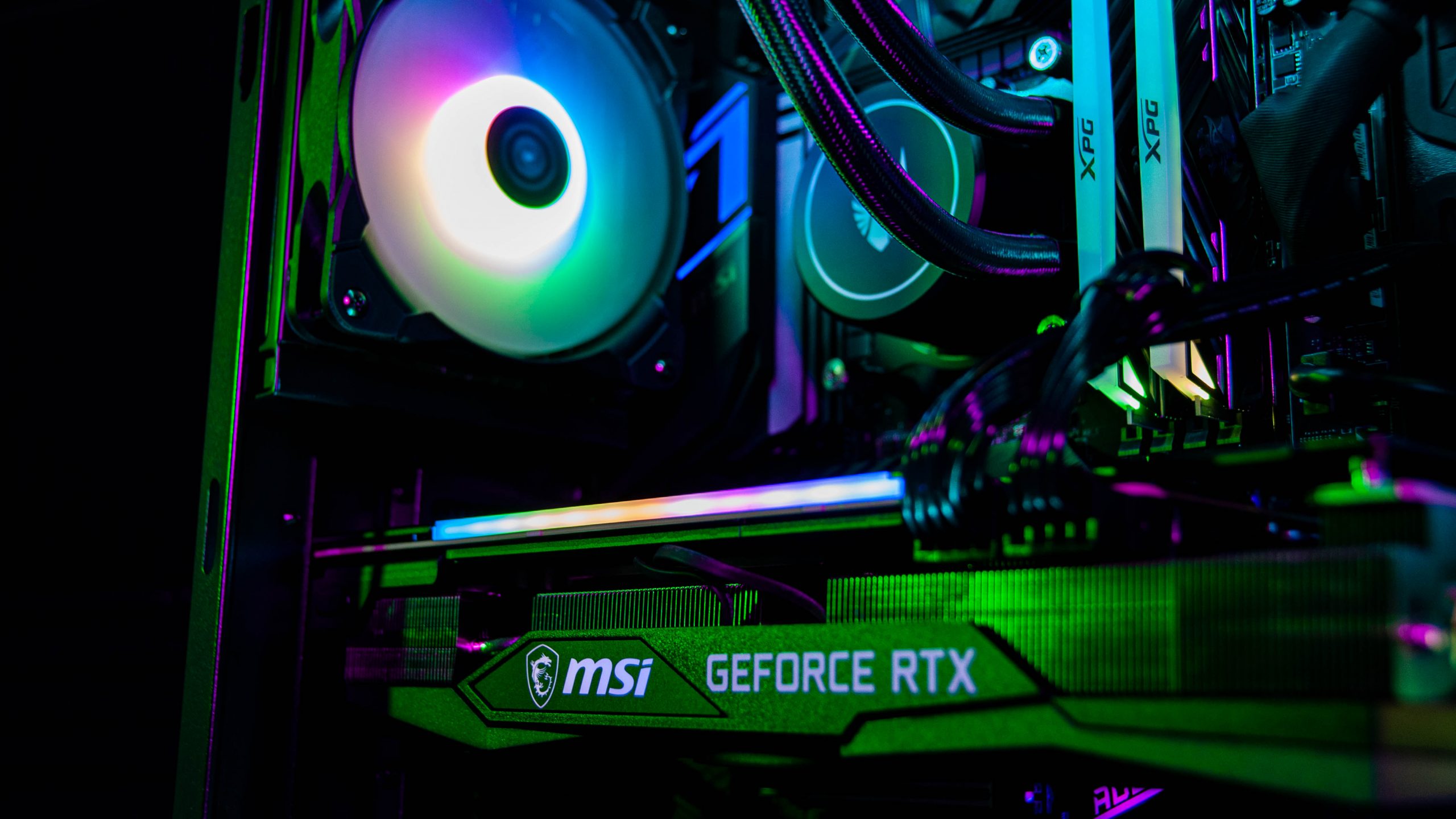
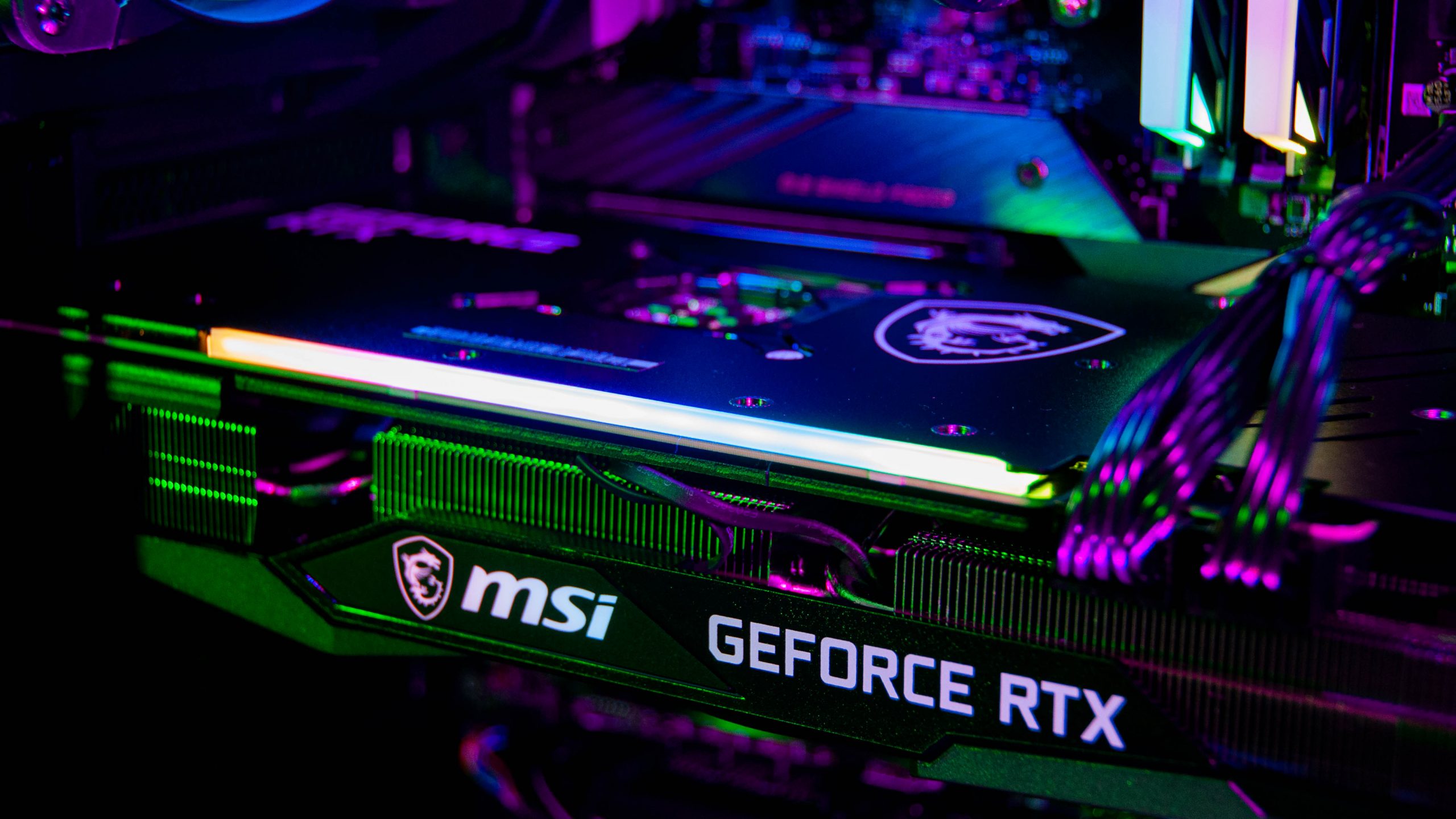
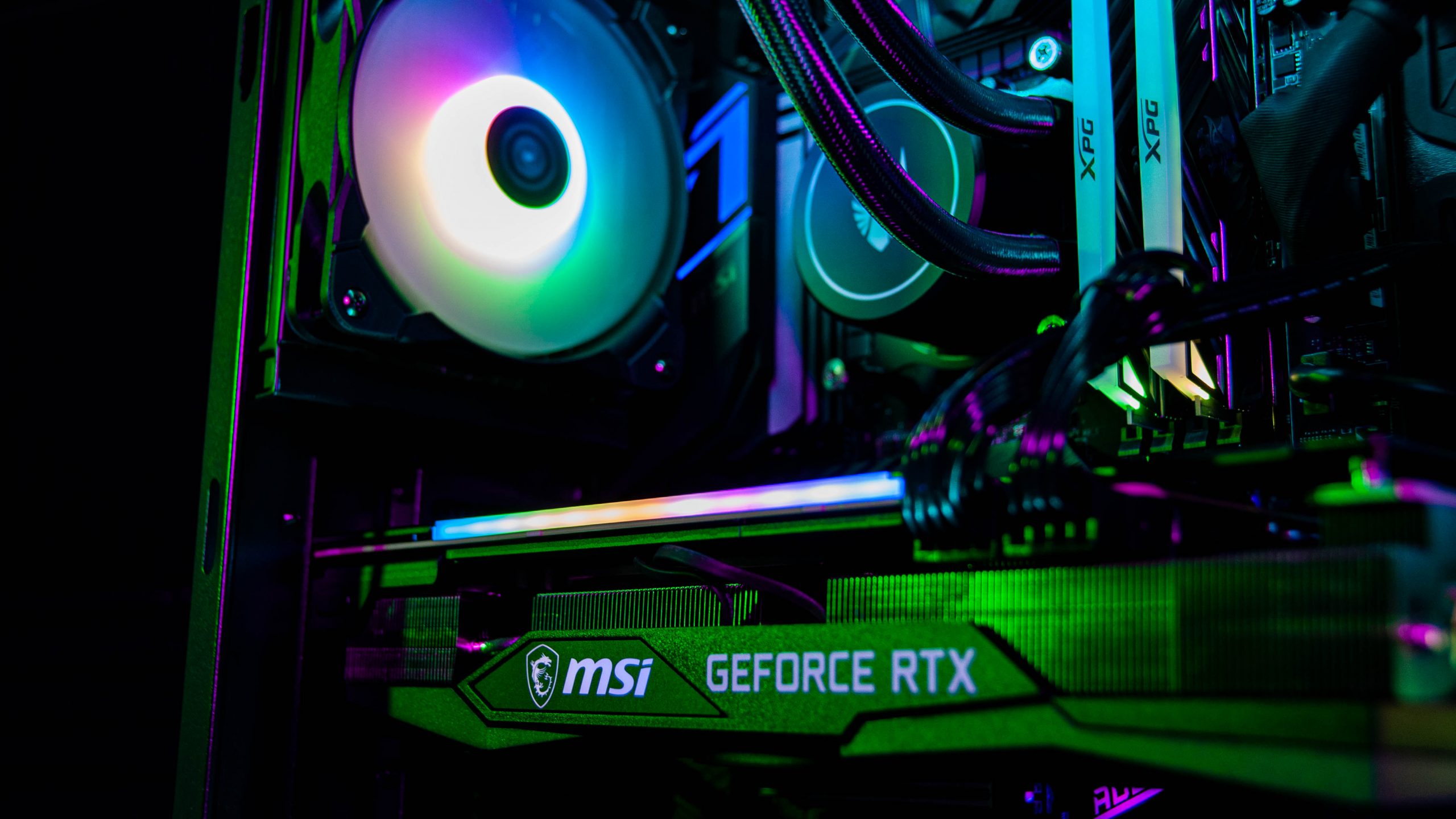
Featuring a liquid cooled Intel 11900K (8 core 16 thread) CPU, 16GB of RGB DDR4 high-frequency RAM, and Nvidia’s RTX 3070 Ti (MSI Gaming X Trio) for a graphics card – this PC is sure to put smiles on faces in its new home. There’s a lot of RGB in here, but that just makes the pictures look better!
-
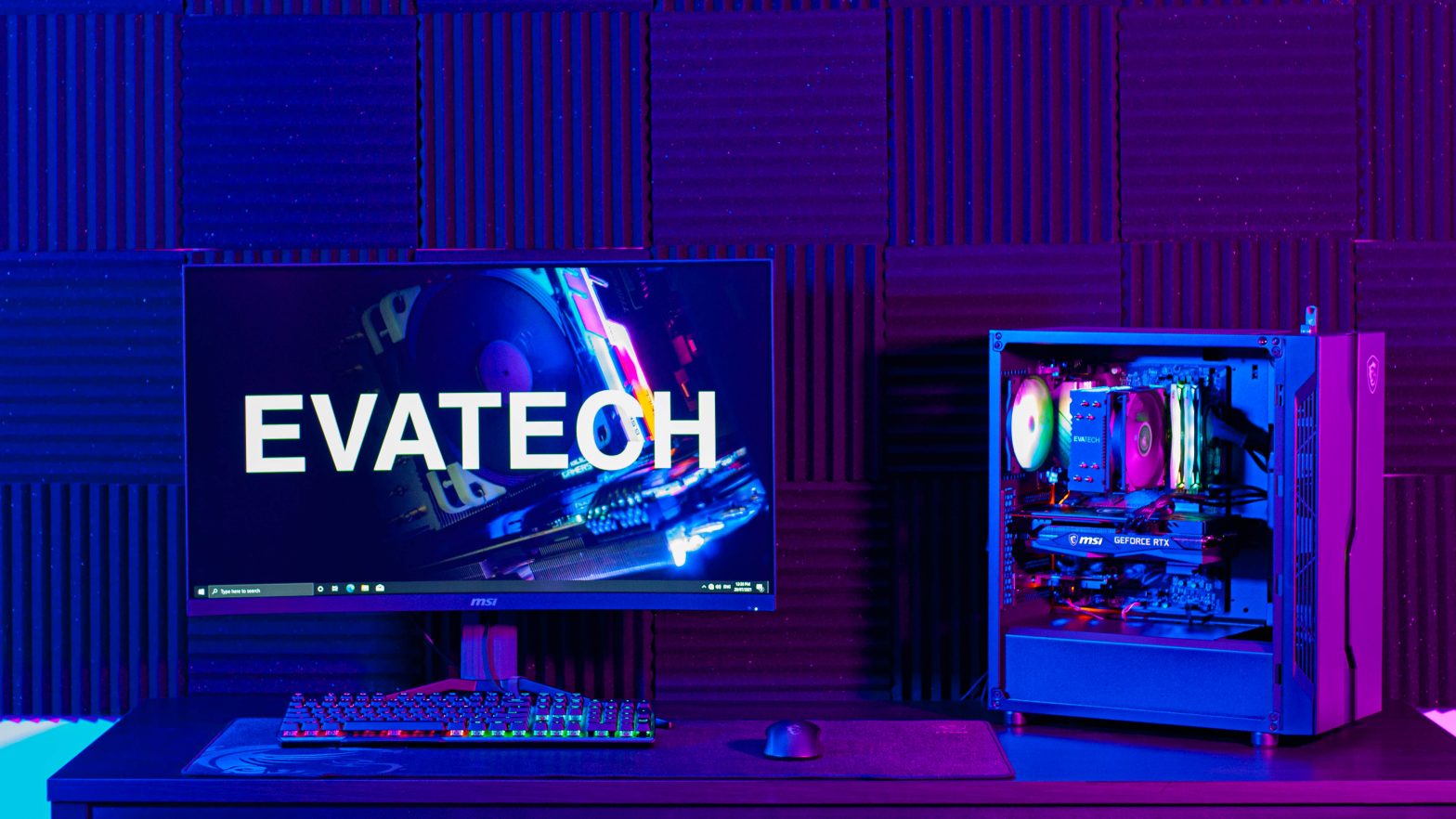
MSI MAG Vampiric 010X i7 / 3060 Pre-built Gaming PC
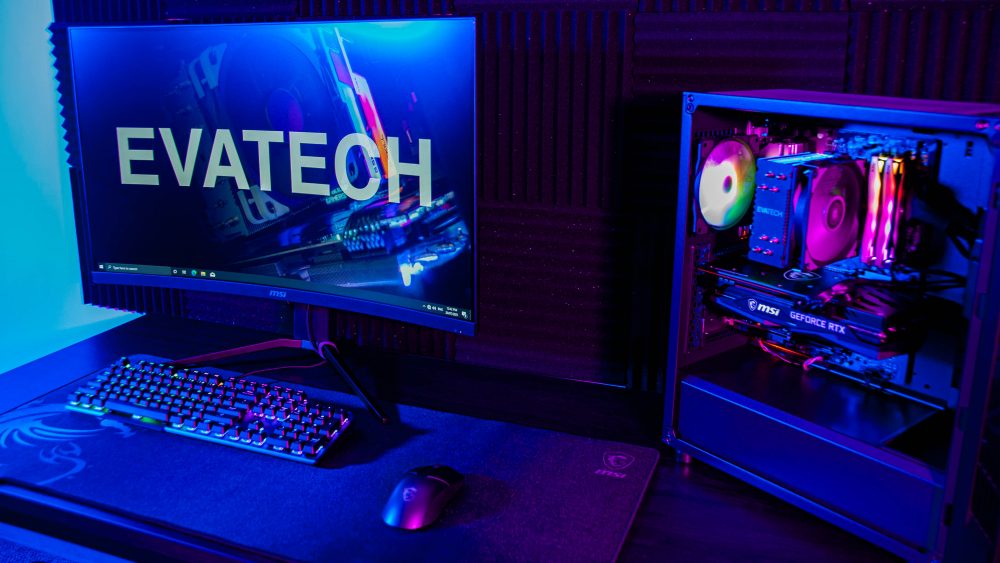
Here’s one that we’ve sold a few of, with a bunch left in stock & ready for immediate dispatch/click-n-collect! Strictly while stocks last at this amazing price point.
Grab your own via this link: https://evatech.com.au/pcsummary.php?pcid=172884
Onto the pictures…
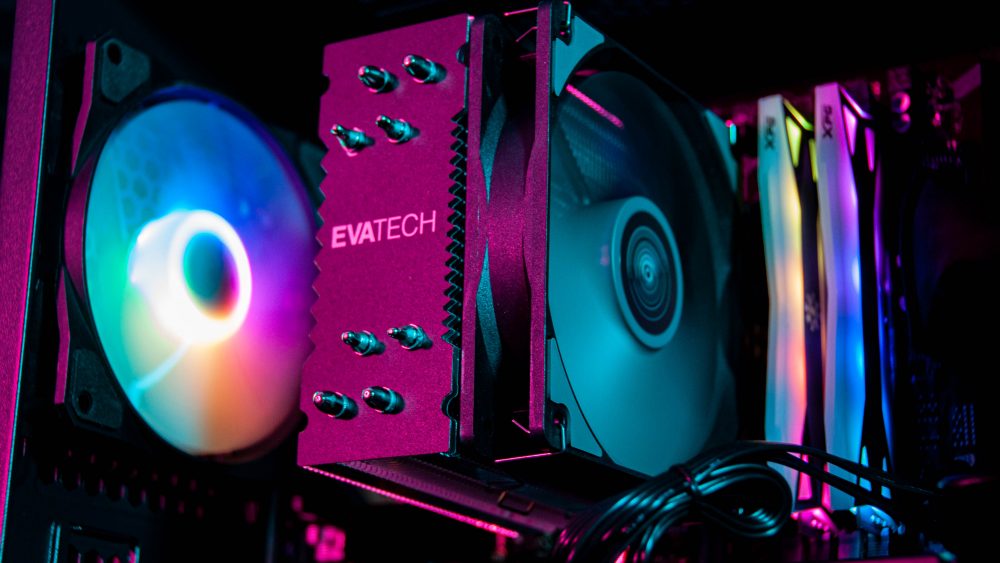
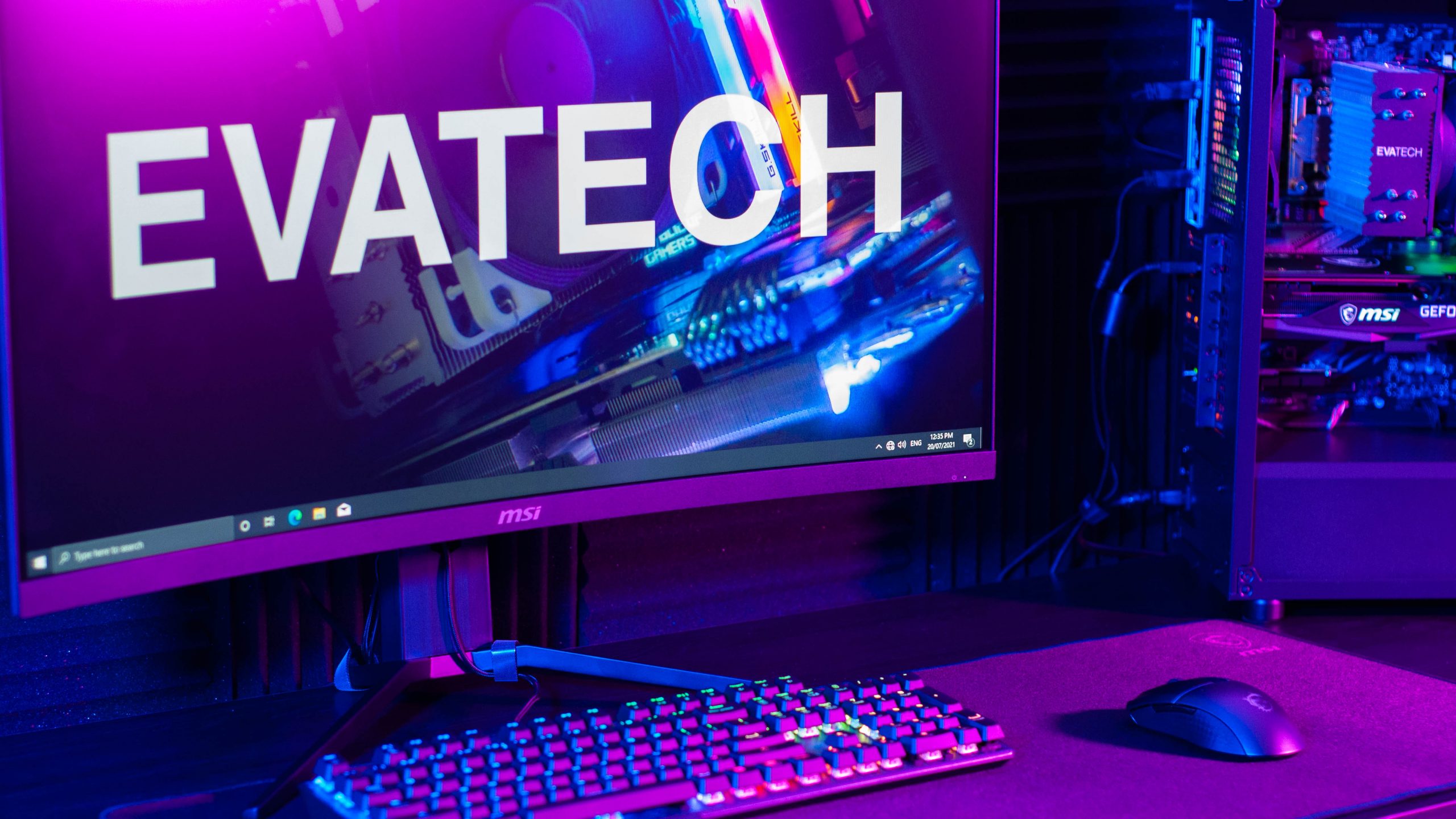
MSI peripherals as follows.
Monitor: MSI 32″ Curved 1080p 180Hz RGB Optix MAG322CR
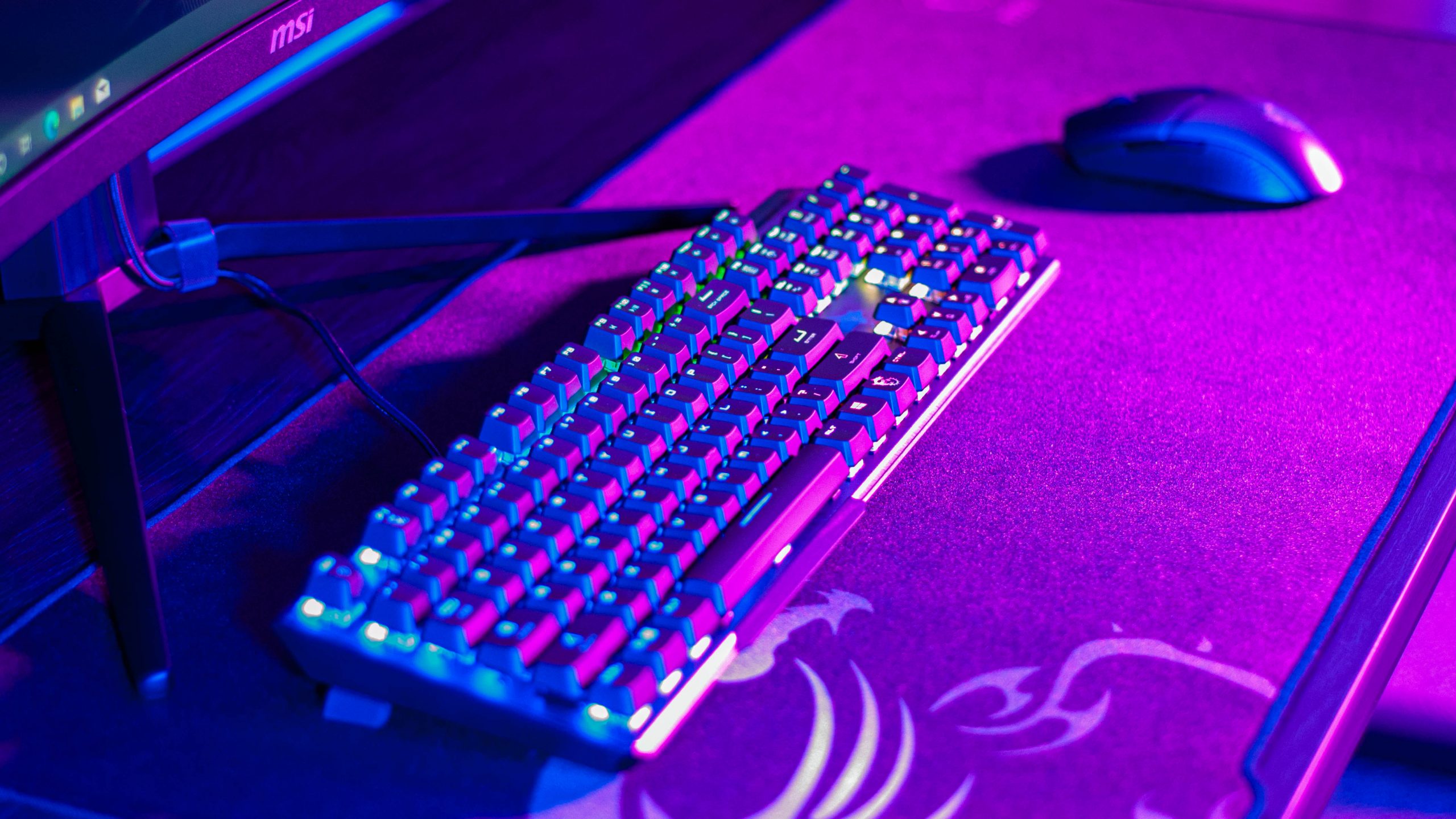
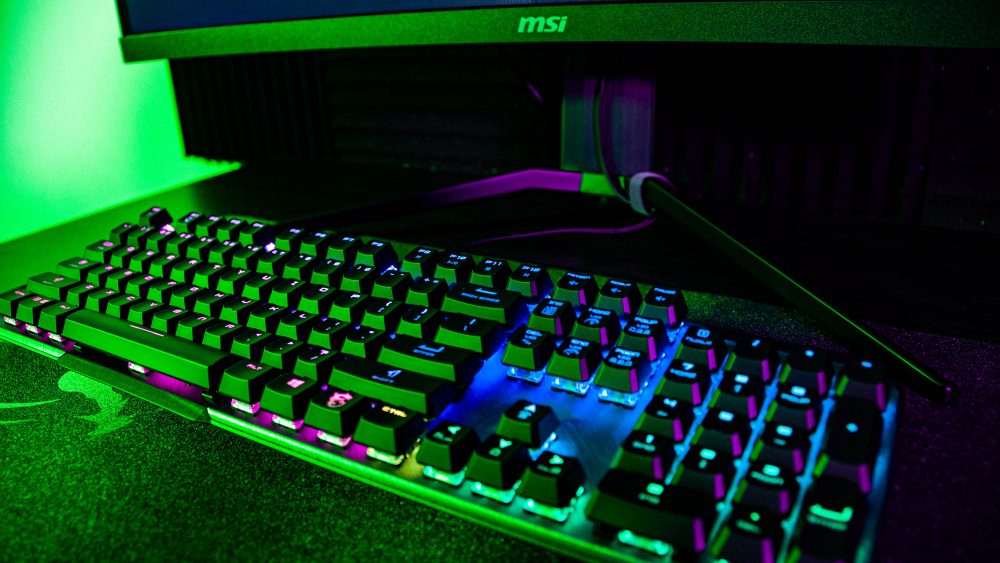
Keyboard: MSI Vigor GK50 Elite Kailh Blue RGB Keyboard
Mouse: MSI Gaming Clutch GM41 Lightweight Wireless Mouse
Mousepad: MSI Agility GD70 Gaming Deskpad -
Windows 11 FAQ & Answers
Last week Microsoft officially unveiled the successor to Windows 10, (un)surprisingly named Windows 11. Since then, we’ve already received a medium-sized truckload of questions on the topic, so we’ve prepared this list of frequently asked questions (FAQ – and their answers) and other relevant information for our past/future customers to know about.
General FAQ
When will Windows 11 be available?
Windows 11 is now fully released – it was officially launched on the 5th of October 2021.
Will I be forced to upgrade?
No. Microsoft will be supporting Windows 10 until the 14th of October 2025, so you would be fine to continue using Windows 10 until at least that date if you wish without it being a security concern. Although, you would be missing out on Windows 11’s performance and feature benefits.
I want to upgrade, how can I do it!?
Assuming your PC’s hardware is compatible and capable of running Windows 11 (covered in detail below) then you should be able to request the update via Windows update. It’s generally advised that your system is as up to date as possible before trying to do the upgrade.
As with any major upgrade, you should ensure that you backup and important/irreplaceable data on your PC, particularly your C:\ drive (typically an SSD). Data such as documents, photos, perhaps some downloads, etc. that might not be backed up onto a cloud like service is usually the ones to be mindful of. Once you’re satisfied, performing the upgrade is permissible and may take some time so please be prepared.
How much will it cost?
Upgrading to Windows 11 will be free of charge. This is great news considering Microsoft had previously led us to believe that Windows 10 would be the last major version and they would be updating it continually. Effectively those who own Windows 10 already are provided a free upgrade to 11, there’s no real downside.
The standalone cost of Windows 11 (for example, when buying a whole new PC) is expected to be similar to the current Windows 10 pricing; not free.
There will still be a Windows 11 Home edition, and a Windows 11 Pro edition.
What is new in Windows 11?
There’s a new look in the shape of a tweaked user interface over what is still very similar to Windows 10 (don’t stress, you will not be lost or confused!) and a more compacted & centred taskbar & start menu (which can be left-aligned if you want). There are some icon tweaks, and overall a bit of a glassy-look theme. There is some enhanced window organisation controls to help snap windows neatly in a number of orientations, and a reintroduction of widgets.
Will Evatech PCs have Windows 11?
Yes, we’ve already introduced Windows 11 options for our PCs, and Windows 10 will be phased out as stock availability dwindles.
Can I revert back to Windows 10 if I don’t like Windows 11?
Yes – reportedly you will have 10 days to change your mind and revert back to Windows 10 if you’re unhappy with Windows 11. After the 10 days are up though, the only way will be a fresh install.
I’ve heard that Windows 11 will hurt gaming performance?
Windows 11 is designed to take advantage of many of the technological advancements over the years since the likes of Windows 10. There’s been a lot of information to suggest that games (with the support of game engines/developers) will actually be better on Windows 11. However, we are aware of recent reports stating that some pre-built gaming PCs will perform up to about 25% worse in games on Win11. And here’s what we have to say about that!
Virtualisation-Based Security or Virtualisation-Based Security (VBS)
A setting that was introduced back in Windows 10 allowed for better security when using virtual systems, when enabled, is being reported as responsible for the performance drops. Thankfully, unless this was a setting that you have turned on yourself since receiving the PC, by default all our Evatech systems will have this setting turned off, so it shouldn’t be an active concern for any of our customers now or moving forward.
Technical FAQ
Here’s where things get a bit messier or perhaps confusing. Stick it out and read through it all as we’re doing our best to explain it as simply and completely as possible.
What are Windows 11’s system requirements?
For a processor (CPU) it’s a minimum of 1GHz 64-bit CPU with 2 or more cores. Furthermore, only Intel’s 8th gen Core CPUs and later will be supported, and for AMD its Ryzen 2000 and later.
On the general consumer hardware side of things, we are (at the original time of writing) now up to Intel’s 11th gen CPUs, and AMD’s Ryzen 5000 series.
When it comes to enthusiast or workstation/professional grade hardware, Intel’s X299 motherboards with only the following four CPUs on the supported list: 10900X, 10920X, 10940X, and 10980XE.
AMD’s Threadripper customers are only supported with the following CPUs: 2920X, 2950X, 2970WX, 2990WX, 3960X, 3970X, and 3990X. Threadripper Pro CPUs are also supported: 3945WX, 3955WX, 3975WX, and 3995WX.For RAM (memory) you will need a minimum of 4GB.
It has been some time since we’ve been offering all of our new systems with a minimum of 8GB.
When it comes to storage space (SSD, HDD), you will need 64GB.
Once again for some time we’ve been offering 240-250GB as the minimum storage solution for our PCs, and previously that was 128GB.
On the graphics side, you will need a solution that is DirectX 12 (or later) capable, which has been around for quite some time. And you will need at least a 720p display, which we would sincerely hope (for your own sanity) that you already have.
TPM 2.0
You may have heard about this requirement: Trusted Platform Module 2.0 – AKA TPM 2.0 – is another minimum requirement for Windows 11.
A TPM includes a hardware-based random number generator and can issue cryptographic keys to protect your data.
Microsoft has reportedly advised its partners to cater for TPM 2.0 back in 2016, and thankfully as our preliminary research appears to confirm, there appears to be signs of support for this feature already (and in past generations) despite not being well documented.
If you meet/surpass the other hardware requirements as listed above, chances are you will be able to switch on the BIOS setting that is off by default to enable TPM 2.0 in preparation of Windows 11.
Both Intel and AMD BIOS may have the toggle under Settings / Security / Trusted Computing or similar depending on the BIOS. There should be two options on both Intel and AMD systems.
- Intel should have both dTPM (stands for dedicated TPM which will rely on a physical hardware TPM module which you very likely do not already have) and iPPT which is the one that can be switched on.
- AMD will have dTPM again as above, or fTPM which is the one that can be switched on.
So any and all of our customers who are buying a system from this point onwards will almost undoubtable fall into the supports Windows 11 category, as will quite a lot who have purchased from us in the last few years!
As it stands, Microsoft is requiring Windows 11 Home users to be signed into a Microsoft Account & have an active internet connection to set Windows 11 up. This may change prior to the final release – or at least the masses are hoping so.
Microsoft was offering a compatibility tool that would tell you if your system was ready for Windows 11, but has since (softly) removed it to work on the clarity and info it offered so we will not actively recommend it for the time being. (Link if you’re keen to check it out anyway).
And with that, you’re informed!
Hopefully that addresses all the questions that you may have had, and more – but if you are still hanging onto some questions be sure to let us know by reaching out via our contact form to let us know what you want answered!
-

Evatech has moved to Keysborough
If you’re reading this: we did it, we’ve already moved!
From humble beginnings in Clayton South, to our venture into the foot-traffic and highly-visible stint in Oakleigh, then the long stay in Oakleigh South; we’re now in Keysborough. This move provides us greater space for our always in demand tech area and tech team to grow without tripping over themselves, more warehouse space, and more office space (all simultaneously) than we’ve ever had before!
While we’re constantly chopping and changing things to better optimise even when not moving locations, we’re still in the process of finding the ideal setups that we want moving forward. But we are operational enough to continue taking online orders and processing them as normal.
What can you tell me about the new place?
Firstly, the address: Unit 5/2 Fiveways Boulevarde, Keysborough 3173 VIC. Maps providers (Google, Apple, etc.) may need some more time to come to terms with and update our address in their systems, but it will be on there shortly when you search us up!
Over the next few weeks we’ll have a lot of work going on, such as signage going up so people know they’ve found the right place! During this time we ask that you bear with us just in case you hear a lot of noise on phone calls, or if things don’t look quite right when you’re collecting an order in store.
We do not have a showroom nor products on display, so customers who want to see what we have to offer are encouraged to browse our online store instead. Customers are welcome to visit our store if they’re picking up an online order that has been marked as ready for collection, or if they wish to discuss face-to-face prior to placing an online order with us. We generally do not facilitate walk-in orders as we do require time to pick orders and/or bring in stock from our local suppliers if required. The stock that we do have in our warehouse is often reserved for system builds that are in progress, so even if we physically have it, we may not be able to sell it to you without delaying another customer order, which is something we cannot do to be fair to them.
We do have parking right outside the front entrance to our building. We also have a rear entrance, but this one is only for courier deliveries and courier collections; not for customers.
What’s next?
Expanding our team is something that’s going to be high on our to-do list once we’re settled in. So if you think you’d be a good fit keep your resume up to date so you can be ready to apply when details are posted on our website and on the usual suspects like Seek, Indeed, etc.
We’re eager to continue bringing the best service that we can to our existing customers, & new customers, and are confident that our new premises in Keysborough will facilitate this for years to come.
Are you familiar with Keysborough?
If you know of any great places to grab some lunch in the area, be sure to let us know!